
Research Coordination Network for X-ray Motion Analysis (RCN-XMA)
In 2009, the US National Science Foundation funded the creation of a Research Coordination Network for X-ray Motion Analysis (RCN-XMA) applied to comparative biomechanics research. The primary goals of the RCN-XMA are:
- to offer online learning tools and courses for graduate students, postdocs and faculty interested in X-ray Motion Analysis (XMA) for comparative biomechanics research;
- to develop an XMA Web Portal, database, and collaboration hotspot for sharing software, tools, information and data.
The PIs of the RCN-XMA are Beth Brainerd from Brown University and David Lee from University of Nevada Las Vegas. Membership in the RCN-XMA is open to all researchers in comparative biomechanics with an interest in X-ray motion analysis.
Upcoming Short Course
2016 Summer Short Course in X-ray Reconstruction of Moving Morphology (XROMM)
June 6-10, 2016
Brown University
Department of Ecology & Evolutionary Biology
Providence, RI, 02912, USA
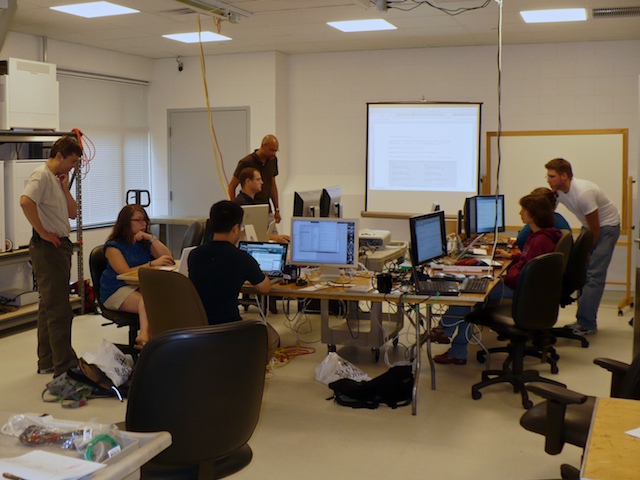
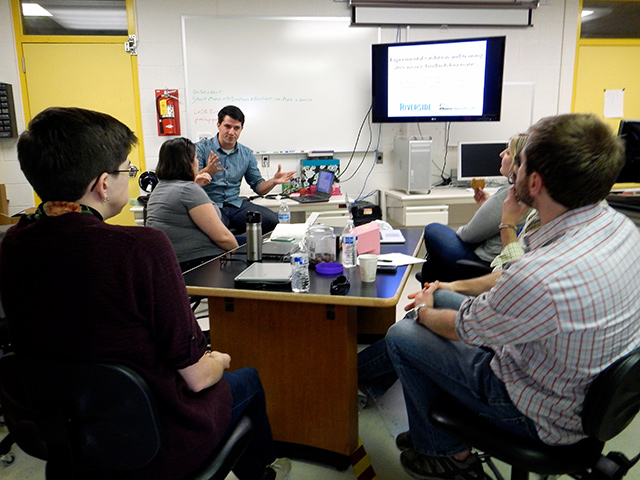
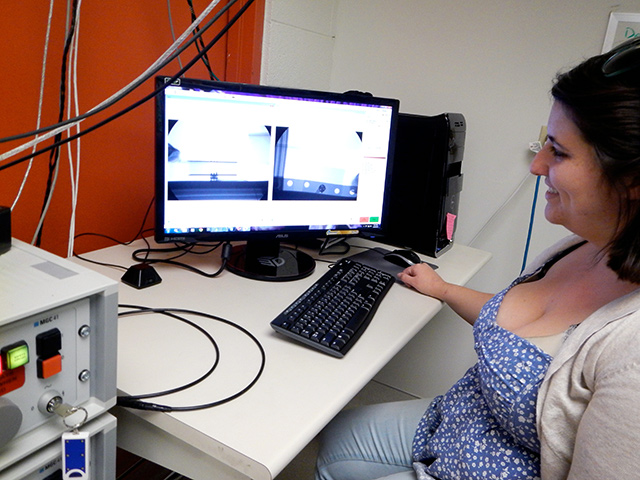
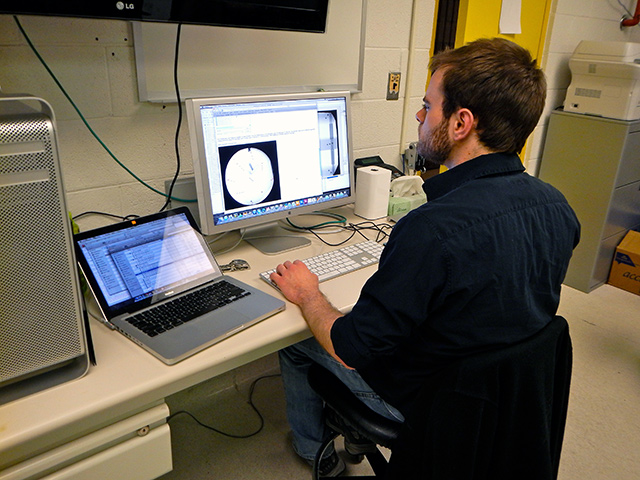
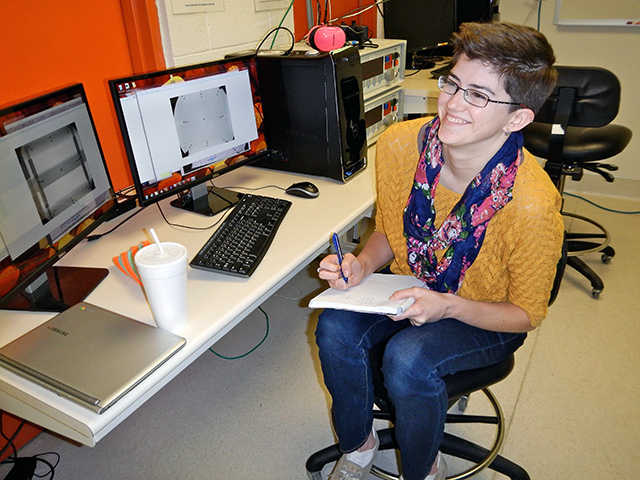
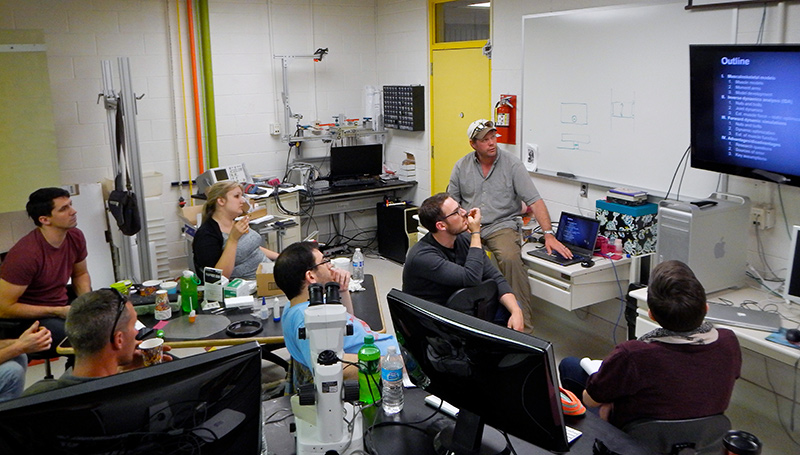
This one-week course is designed for faculty, postdocs, and graduate students who are interested in using XROMM in the field of comparative biomechanics. The course will provide hands-on instruction in marker-based and markerless XROMM animation, analysis of 3D skeletal kinematics, data management and measurement of precision and accuracy. The course is funded by an NSF Advances in Biological Informatics grant.
To apply complete the Google application form. Review of applications will begin on March 21, 2016 and continue until the course is filled.
Past Short Courses
Pictures from 2015 Brown XROMM User Conference
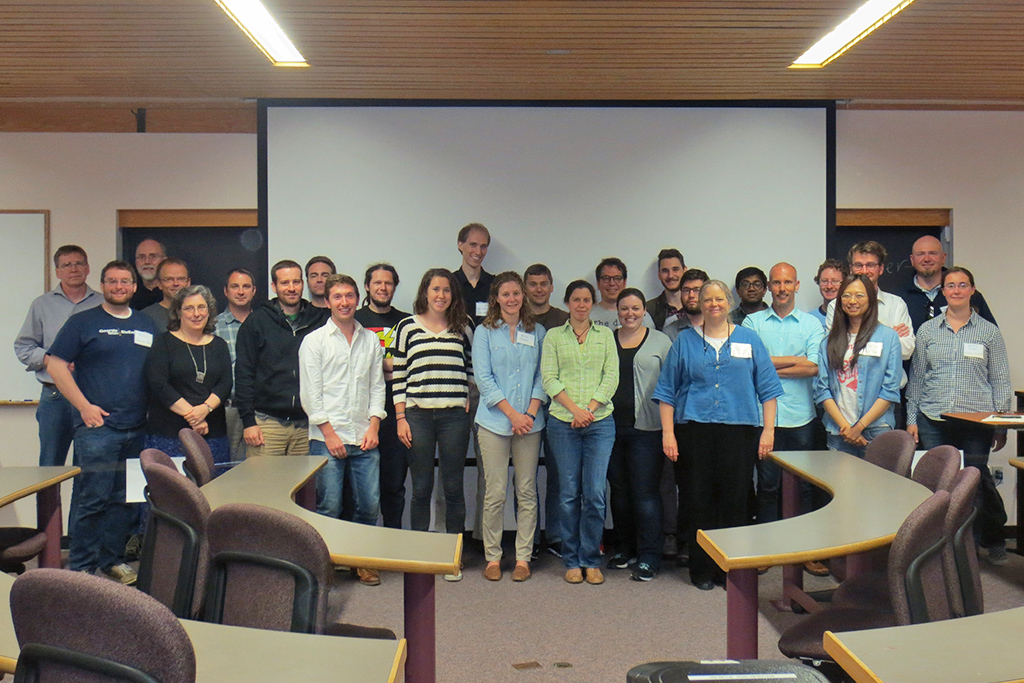
Pictures from 2014 Brown XROMM Summer Short Course
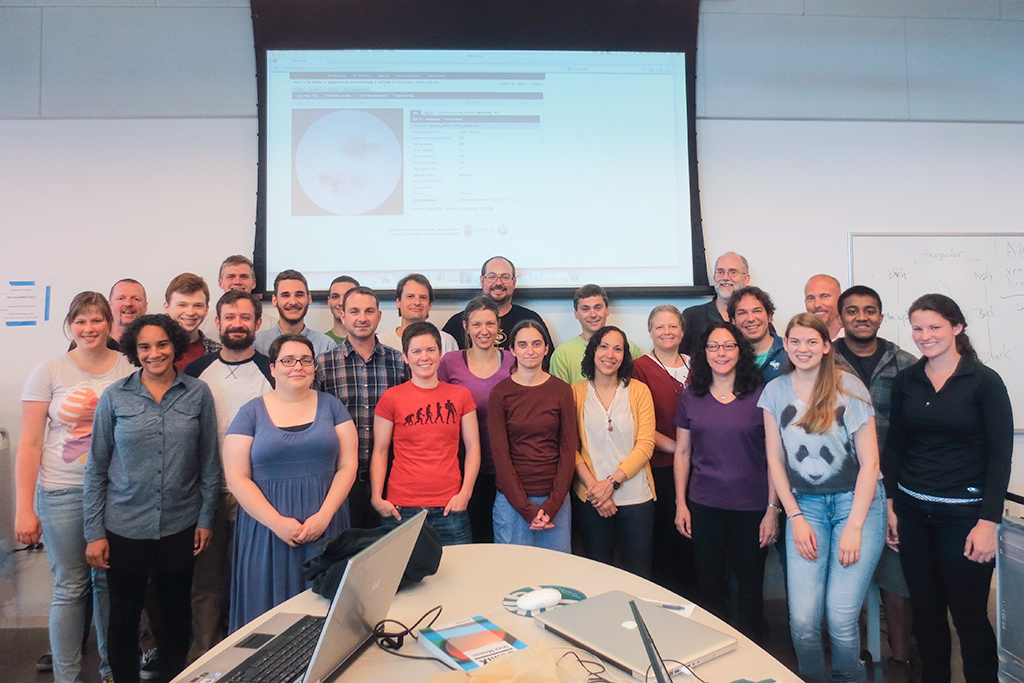
Pictures from 2013/14 UNLV 3D XMA Dynamics Short Courses
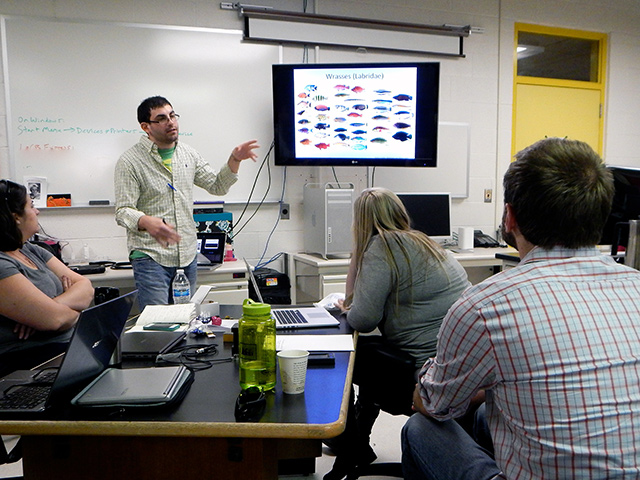
Pictures from 2013 Brown XROMM Summer Short Course

Pictures from 2012 Brown XROMM Summer Short Course

Pictures from 2011 Brown XROMM Summer Short Course
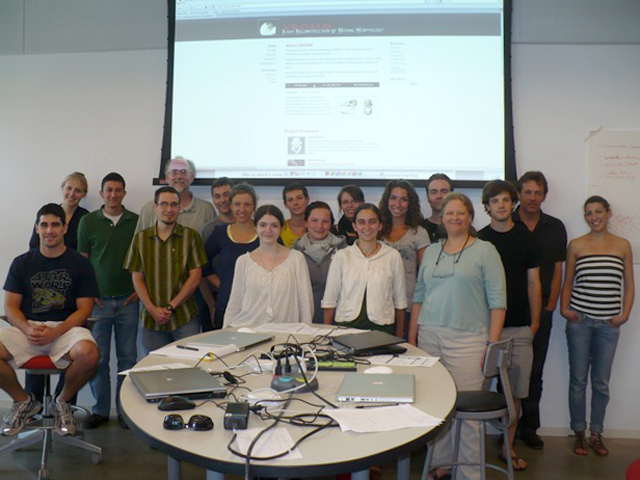
Pictures from 2010 UNLV 3D XMA Dynamics Short Course
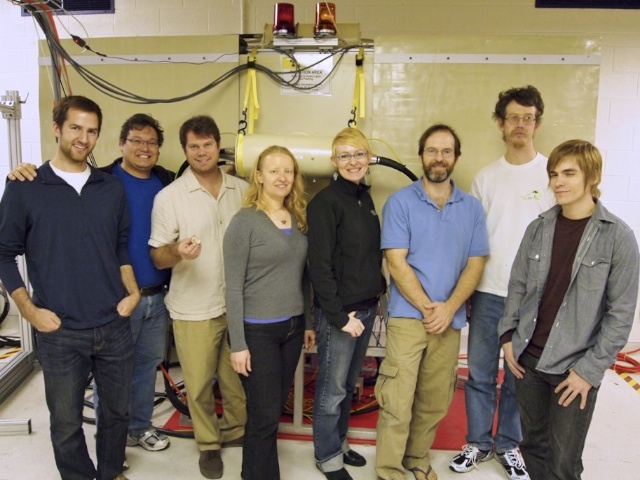
Pictures from 2010 Brown XROMM Summer Short Course
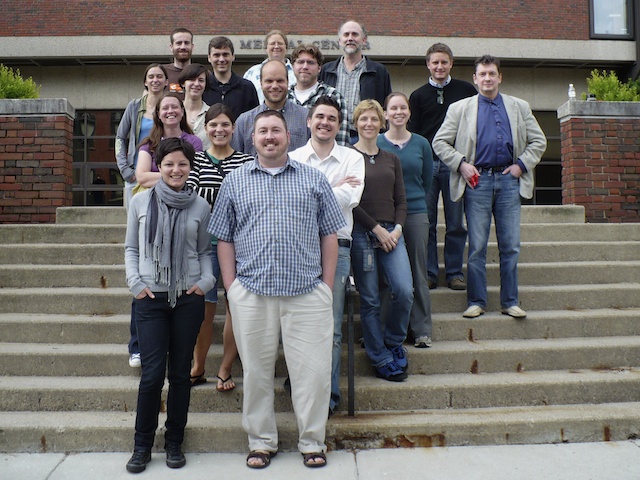
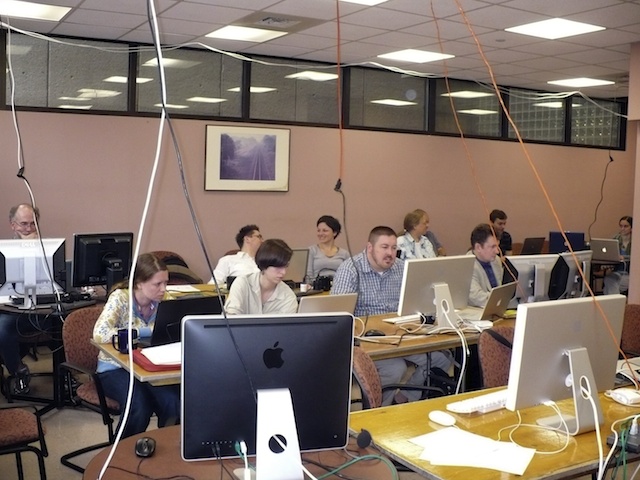
Pictures from 2009 Brown XROMM Summer Short Course